
GAMSTOP and Responsible Gambling for Hockey Bettors
 Available in US
A friend of mine who’s been around UK betting longer than I have once told me the most important conversation about gambling is the one you have with yourself before you start betting, not after something goes wrong. He’s right. The protective tools available to UK punters — GAMSTOP, deposit limits, time-outs, the broader responsible-gambling framework — work best when you set them up while you’re calm and thinking clearly, not when you’re trying to claw something back at three in the morning. This guide is for hockey bettors who want to understand what those tools do, how they work, and how to use them.
If you’re reading this because betting is starting to feel like something other than entertainment, please skip ahead to the support resources section. The information matters less than reaching out.
What GAMSTOP Is
GAMSTOP is the UK’s national online self-exclusion scheme. It’s a free service that lets you self-exclude from all UKGC-licensed online gambling operators with a single registration. You enter your personal details once, choose an exclusion period of six months, one year or five years, and your details are added to a register that all licensed operators must check before accepting new customers or allowing existing customers to bet.
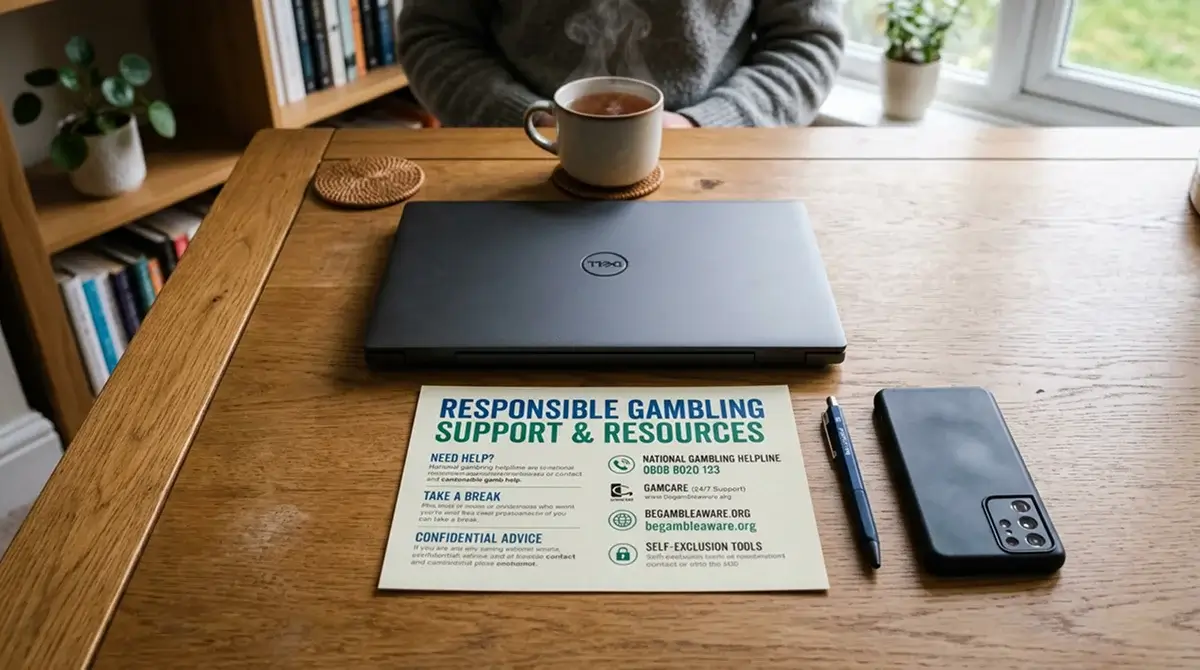
Once you’re registered, your accounts at every UKGC-licensed sportsbook, casino and bingo operator are closed for the duration of your exclusion period. You can’t open new accounts during that period. The system covers around 400 operators, which is effectively the entire regulated UK online gambling market.
The exclusion is binding on the operator side. Even if you change your mind a week later, you can’t access your accounts until the exclusion period ends. That’s deliberate. The point of self-exclusion is to remove the option of betting during a period when you’ve recognised you need to step away, with enough friction that you can’t easily reverse the decision in a moment of weakness.
How Self-Exclusion Differs from Time-Outs
UKGC-licensed sportsbooks also offer operator-specific time-out and self-exclusion tools that operate independently of GAMSTOP. Time-outs typically last 24 hours, a week, a month or longer, and apply only to the specific sportsbook where you set them. Operator self-exclusion can run from six months upward and applies only to that operator.

The choice between time-out, operator self-exclusion and GAMSTOP depends on what you’re actually trying to achieve. A time-out at a single sportsbook is appropriate if you’ve had a bad session and want to step away from that specific environment for a defined period while still leaving open the option of betting elsewhere if you choose to. Operator self-exclusion is more serious — a deliberate decision to stop betting at one operator for an extended period, often after a specific issue with that brand. GAMSTOP is the comprehensive tool: a complete pause across all UK regulated gambling, designed for people who recognise they need a meaningful break from the entire activity.
What I tell anyone asking which to use: if you’re genuinely concerned about your gambling, GAMSTOP is the right tool. Operator-specific exclusions leave open routes to keep betting that defeat the purpose if you actually need to stop. The complete coverage is the feature, not the limitation.
Deposit Limits and Daily Controls
Outside of self-exclusion, the day-to-day tools available to UK hockey punters are deposit limits, loss limits, session reality checks and bet limits. UKGC rules require operators to make these easily accessible and to apply them consistently once set.
Deposit limits cap how much you can deposit into a sportsbook within a defined period — daily, weekly or monthly. The limit takes effect immediately when you set it, and any increase you request is held for a cooling-off period before it activates. That asymmetry — instant decrease, delayed increase — is built in to prevent in-the-moment increases driven by chasing losses.
Loss limits operate similarly but cap total losses across deposits rather than the deposit amounts themselves. They’re useful for bettors who want to manage downside risk specifically, separate from how much money flows in and out of the account in routine betting cycles.
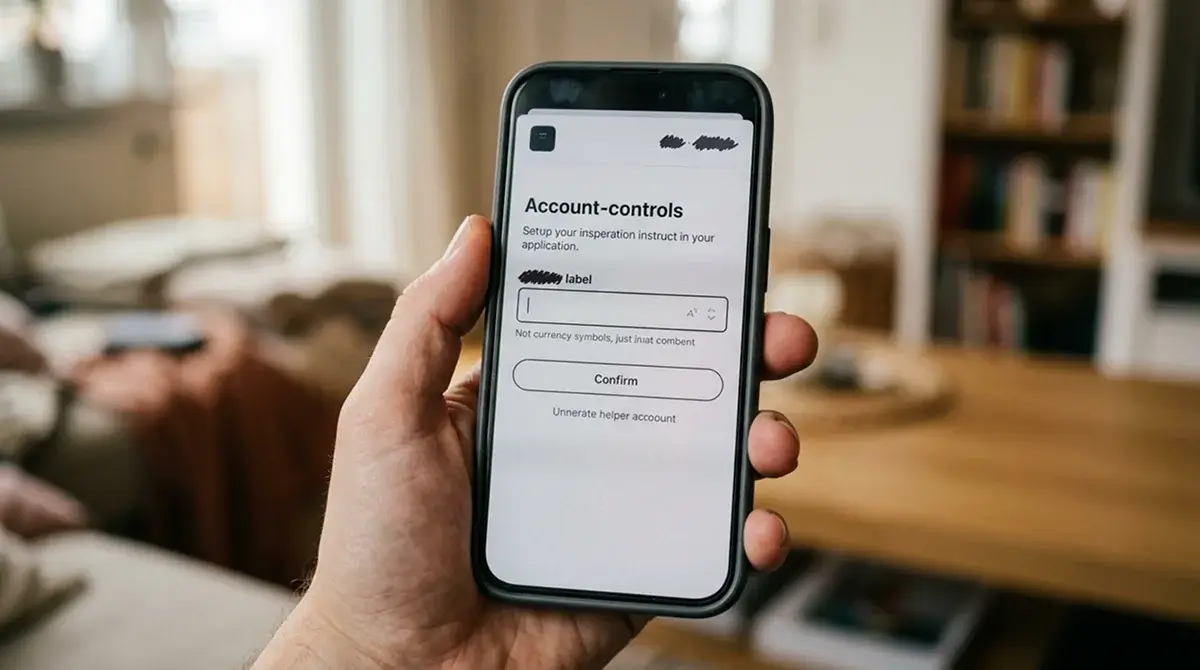
Session reality checks appear as periodic notifications during gambling sessions, reminding you how long you’ve been playing and how much you’ve staked. They sound trivial but they work — interrupting a session every 30 minutes with a hard data display reduces the trance state that long betting sessions can produce.
What I’d recommend as a baseline for any UK punter taking hockey betting seriously: a monthly deposit limit set well below what you’d ever want to deposit in a panic, a weekly loss limit at the unit-size level of your bankroll plan, and session reality checks every 30 minutes during active betting. None of these tools restrict bettors who are operating within healthy parameters. All of them catch problems before they compound.
Who’s At Risk
The Gambling Survey for Great Britain data tells a clear story about which UK demographics carry elevated gambling risk. The PGSI 1+ rate — meaning some level of gambling-related concern beyond no-risk status — for the 18-24 age cohort is 21.9%, the highest of any group. Men show higher rates than women across most age groups, and men in the 18-24 demographic specifically show the highest risk profile of all.

That data should sit alongside the broader picture of UK online gambling. The remote casino, betting and bingo sector produced £7.8 billion in gross gambling yield in the financial year 2024-25. Some 95% of UK online gambling happens from home, with 76% of 18-24 year-old bettors preferring mobile devices. Solo, at-home, mobile gambling is the dominant pattern, and it’s also the pattern most associated with elevated risk because it removes the social and environmental friction that pubs and betting shops historically provided.
For hockey betting specifically, the risk patterns aren’t different from gambling generally. The structural concerns are the same: chasing losses, betting beyond planned stake sizes, betting more frequently than analysis supports, and using gambling to manage mood rather than as entertainment. If any of those patterns appear in your hockey betting, the tools to step back exist and are designed to be used.
The Argument for Setting Limits Proactively
The most common mistake I see UK punters make is treating responsible-gambling tools as something for “other people” — people with problems, people who can’t handle their betting. The framing is wrong. The tools are useful for everyone, because everyone is subject to the same psychological dynamics that make in-the-moment financial decisions worse than pre-planned financial decisions.

Setting a deposit limit while you’re calm at the start of a season costs you nothing. The limit doesn’t activate against you unless you try to deposit more than you’d planned to deposit, which is exactly the moment you want a friction point. By the time you’re trying to deposit beyond the limit, your judgement has already shifted, and the limit catches the mistake before it compounds. The same applies to session reality checks, loss limits and time-out periods. They’re not restrictions on people who need protecting; they’re structural protections that make betting more sustainable for everyone who uses them.
The bettors I’ve watched stay in the game across multiple seasons aren’t the ones with the strongest analytical edges. They’re the ones who set up structural protections early, respected those protections under pressure, and treated betting as one component of a balanced life rather than something they couldn’t get through the week without.
What Concerns Look Like
The signs that hockey betting has shifted from entertainment into something more concerning aren’t always obvious. The major red flags are well-known: chasing losses with larger stakes, betting money you can’t afford to lose, hiding the extent of your betting from people close to you, feeling unable to stop after a loss, or feeling preoccupied with betting when you’re trying to focus on other things.

The subtler signs matter too. Betting on games you don’t really know to satisfy a sense that you should be betting on something. Increasing stake sizes incrementally without conscious decision. Treating wins as confirmation of skill and losses as bad luck. Anxiety in periods when you can’t bet — long flights, family events, anywhere without phone signal. None of these individually means something is wrong, but the pattern adds up.
If any of this is recognisable in your own betting, the right response isn’t to stop reading articles about how to bet better. It’s to use the tools designed for exactly this situation. The sustainable hockey bettors I respect have all, at one point or another, taken extended breaks from betting for exactly this reason. Stepping back isn’t failure. It’s discipline.
Support Resources in the UK
If you’re concerned about your gambling, or someone close to you is concerned about yours, several UK organisations offer free, confidential support:
The National Gambling Helpline operated by GamCare provides 24-hour support by phone, live chat and online. The service is free, confidential, and staffed by trained advisers who can help with assessment, advice and referral to further support.
GAMSTOP, beyond the self-exclusion scheme described earlier, also publishes resources on managing gambling-related issues and connecting with appropriate support.

BeGambleAware funds independent treatment services across the UK, with referral pathways from primary care, GP practices and the National Gambling Helpline. Treatment is available free of charge through the NHS for severe cases and through funded independent services for moderate concerns.
Local NHS Mental Health Trusts increasingly include gambling-disorder treatment in their service offerings, with specialist clinics in several major cities.
What I’d add as practical context: reaching out to any of these services is not a binding commitment to anything. The initial conversation is free, confidential and exploratory. The point is to get an honest external perspective on whether what you’re experiencing warrants further action, from people who understand the issue and don’t have a commercial interest in your continuing to bet.
The Bigger Picture for UK Hockey Betting
Hockey betting in the UK exists within a broader regulated gambling framework that’s been designed, debated and refined over decades. The responsible-gambling tools available to UK punters reflect a genuine attempt to balance the legitimate entertainment value of betting against the real risks of gambling-related harm.
Using those tools deliberately — setting limits proactively, taking breaks when needed, accessing support when concerned — is what makes the framework work as intended. The same discipline applies whether you’re betting on a structured hockey bankroll plan or just placing occasional EIHL bets for fun on a Saturday evening. The size of the activity doesn’t change the underlying principles.
If hockey betting is a sustainable part of your entertainment, the tools described here are there to keep it that way. If it stops being sustainable, the tools are there to help you step back. Use them on your own terms, before you have to use them under pressure.
Common Questions on Responsible Hockey Betting
GAMSTOP is the UK’s national self-exclusion scheme covering all UKGC-licensed online gambling operators. It’s appropriate for anyone who has decided they need a complete break from online gambling for a defined period of six months, one year or five years. No. Self-exclusion through GAMSTOP cannot be reversed before the period you selected ends. This is by design, ensuring the exclusion provides meaningful protection during the period you’ve chosen for it. The National Gambling Helpline operated by GamCare provides free 24-hour confidential support. BeGambleAware funds treatment services across the UK and through the NHS. Reaching out is confidential and not a binding commitment to any specific action.What is GAMSTOP and who should use it?
Can I cancel GAMSTOP self-exclusion before the period ends?
Where can a UK hockey bettor get help with gambling concerns?
Published by the ice Hockey Betting team.