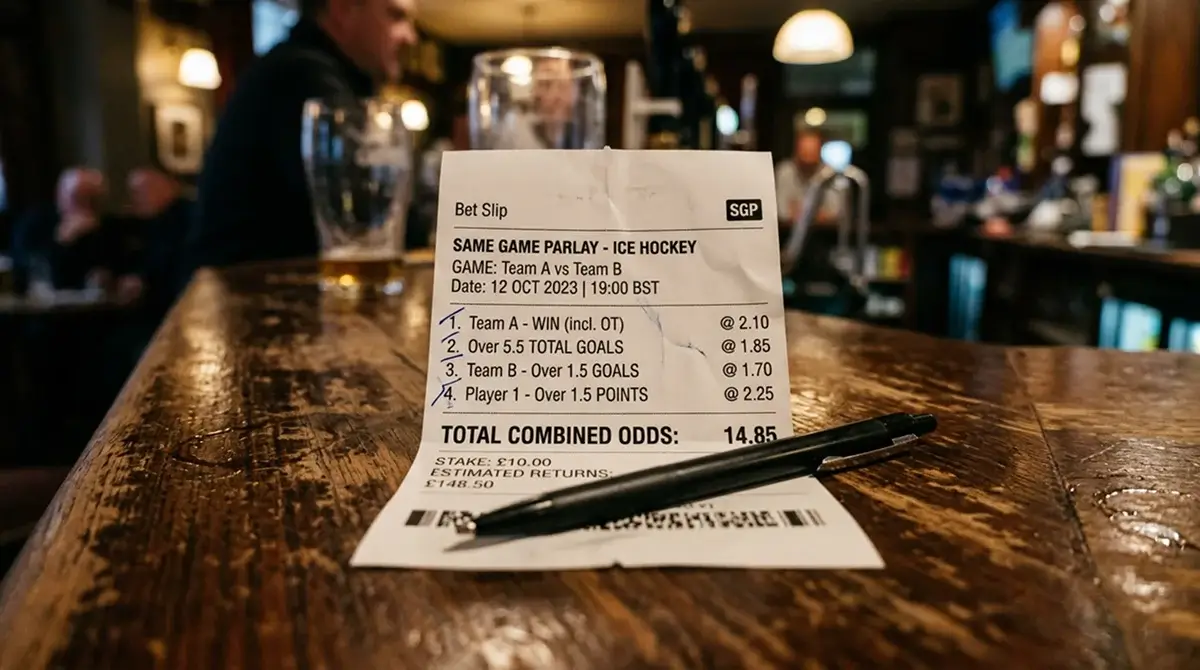
Champions Hockey League Betting Guide
 Available in US
The Champions Hockey League is the tournament I bet most differently from anything else in my schedule. It’s the only competition where I’ll regularly bet against teams I’d never fade in their own league — because the CHL strips out the home rhythm, scrambles the travel, and forces clubs into matchups they don’t train for. For a bettor who’s been watching domestic European leagues all autumn, the CHL is where the assumptions you’ve built start breaking in interesting ways.
This guide is for UK punters who want to take CHL betting seriously: how the tournament structure shapes pricing, where the books get European cross-league matchups wrong, and the practical filters that turn a chaotic-looking format into a profitable one.
Table of Contents
- What the Champions Hockey League Actually Is
- The Pricing Problem with Cross-League Matchups
- Group Stage Patterns
- Goaltender Strategy Across Leagues
- Information Access and the Schedule Problem
- Knockout Rounds: A Different Game
- Where the Big Edges Hide
- How CHL Betting Connects to Your Broader European Hockey Approach
- Setting Realistic Expectations
- Questions Bettors Ask About the Champions Hockey League
What the Champions Hockey League Actually Is
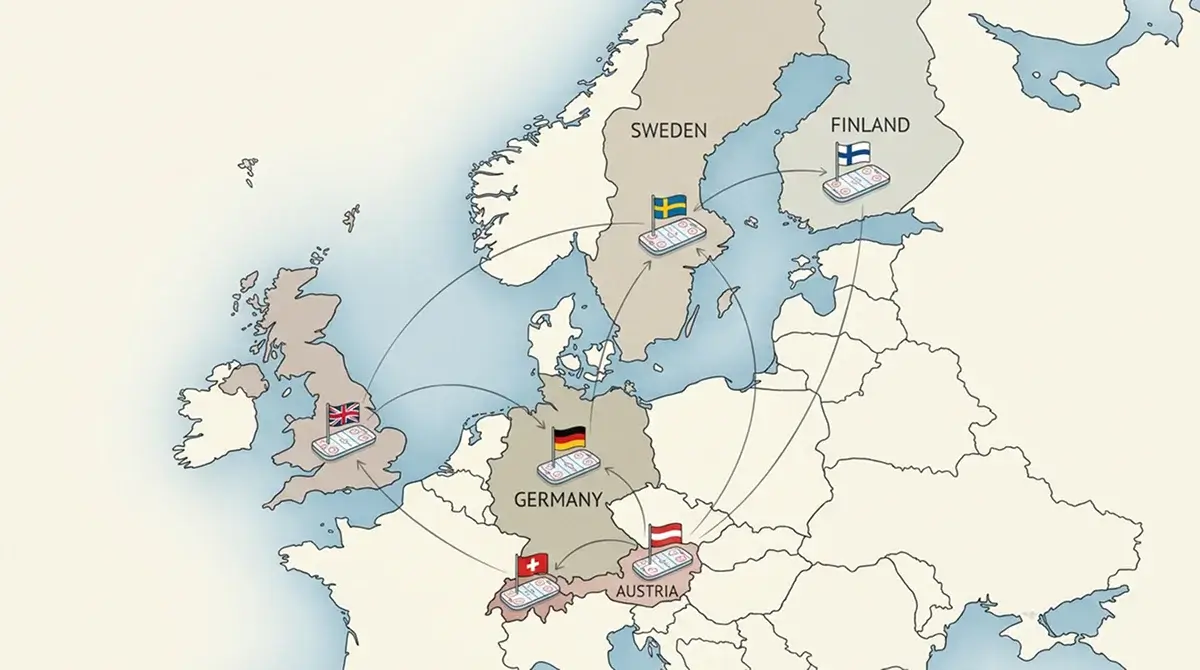
The CHL is European club hockey’s top continental competition, running annually from August through February. The tournament brings together the strongest clubs from the SHL, Liiga, DEL, NL, ICEHL and several smaller European leagues, plus the EIHL champion as the British representative. The format runs through a group stage in August through early November, followed by a knockout round from November through the final in February.
Group stage matches are home-and-away, single-leg fixtures with no overtime — games tied after 60 minutes go directly to a shootout. Knockout rounds are two-legged home-and-away ties with aggregate scoring, with overtime and shootout only in the final game if the aggregate is tied after the second leg ends in regulation.
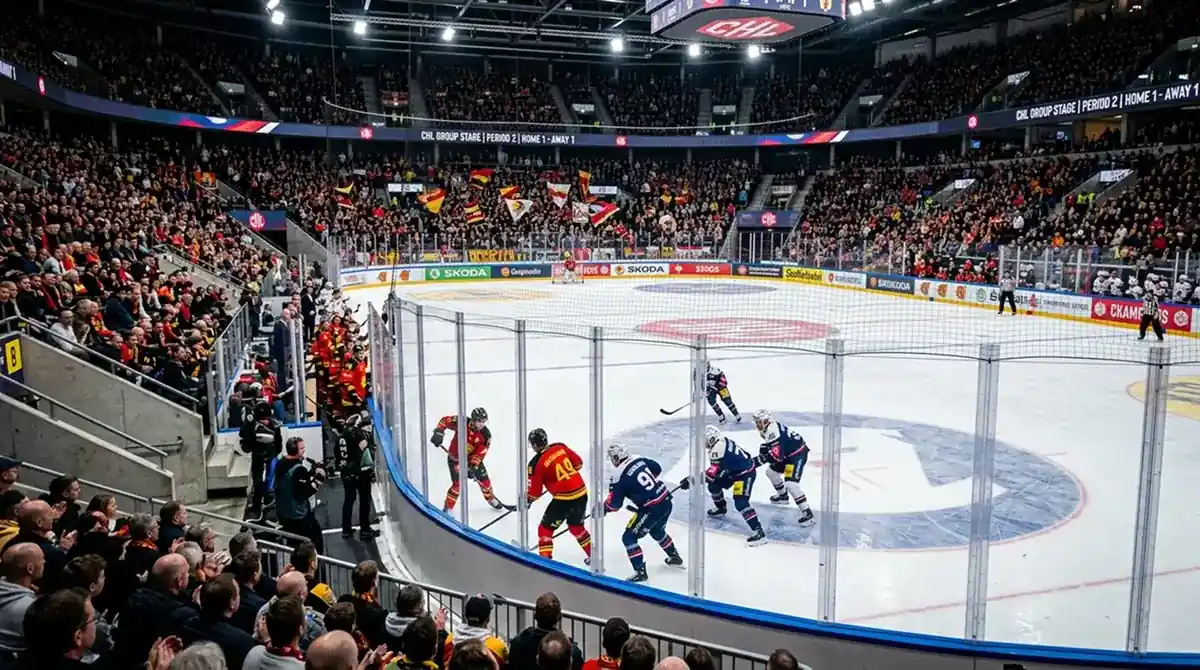
Those format details matter for betting. Group-stage settlement rules are different from knockout settlement rules, and that’s been a recurring source of confusion at UK books. Always confirm how a specific bet settles before placing it, particularly for parlays or multi-leg accumulators.
The Pricing Problem with Cross-League Matchups
Here’s the structural inefficiency that makes the CHL worth betting: there’s no clean way to price an SHL club against a DEL club without knowing the relative strength of the leagues that produced them. Books rely on Elo-style ratings updated through international competition, but the underlying signal is noisy because cross-league play is rare and the recency of meaningful matchups matters.
What I’ve found, watching enough CHL hockey: Swedish clubs are systematically underpriced against German opposition in group stages, and Finnish clubs are systematically overpriced against everyone. The reason isn’t that Finnish hockey is overrated in absolute terms — Liiga produces excellent teams — but that the structured, low-event style that wins Liiga matches doesn’t always translate to one-off knockouts against teams with different paces. A Finnish team’s regular-season identity is sometimes a CHL liability.
EIHL representation is the other interesting case. The British champion enters the CHL each year and is invariably priced as a heavy underdog. That pricing is usually right — the talent gap is real — but specific matchups have produced upsets when the EIHL side catches a group-stage opponent unprepared. The market is usually rational; the exception is worth noting and not over-extrapolating.
Group Stage Patterns
The CHL group stage compresses six matches per club into roughly two months. That schedule density, layered on top of the domestic season, creates fatigue patterns that the betting market doesn’t always price correctly.
What I look for in group-stage matches: how the team played their last domestic fixture and how long ago. A team that won a brutal 60-minute SHL game on Friday and travels to play a CHL group-stage match on Tuesday is not in the same physical state as a team coming off a Saturday off-day. The schedule fatigue compounds across the CHL group stage in ways that go underpriced — particularly for road teams.
The second pattern: home-ice advantage in the CHL is real but uneven. Top venues with full crowds — Färjestad, Skellefteå, Tappara, Adler Mannheim — produce home edges similar to their domestic leagues. Group-stage fixtures at smaller clubs with sparse attendance produce much smaller home edges. The line often doesn’t reflect that variation.

Goaltender Strategy Across Leagues
Top European clubs treat the CHL seriously enough to start their first-choice goaltender in important matches, but rotation patterns vary by club philosophy. Some coaches play their starter every CHL game without exception; others use the tournament to rest the starter on travel-heavy weeks, particularly during the domestic stretch when domestic results matter more than European competition.
The 3% to 5% implied probability shift on NHL goalie changes documented by sportsbooks like Caesars applies in modified form to CHL pricing. The shift is similar in magnitude but more inconsistent in application across UK books. Confirmed starts published 60 to 90 minutes before puck drop are the actionable window.
What I’ve learned to watch for: backup goalies starting CHL games against weaker group-stage opposition. The pricing often doesn’t adjust for the backup-to-starter quality drop, particularly if the favourite team’s overall talent is still expected to carry the result. That’s a misread — backup performance in one-off CHL games tends to be more volatile than season-long sample sizes suggest, and the price on the underdog moneyline frequently lags.

Information Access and the Schedule Problem
The CHL’s challenge for UK punters isn’t language — most participating leagues have decent English-language coverage. It’s information density. Each CHL matchweek requires familiarity with the rosters, recent form and goaltending situations of two different clubs from two different leagues, both of whom you might not have watched in their domestic competitions in two weeks.
The practical solution is narrowing focus. I track maybe ten to twelve clubs across the CHL field — the top three or four contenders from each of the SHL, Liiga and DEL, plus any surprise teams that have emerged in their domestic leagues. I’ll bet matches involving those teams seriously and skip the rest of the field unless something obvious flags as mispriced.
For lineup news, follow the official CHL website’s match centres and the home club’s social channels in the run-up to puck drop. Lineup confirmations are usually posted around 60 minutes before the game starts. UK bookmakers’ price feeds update with a lag that’s often longer than for domestic matches, which is the window where confirmed information turns into measurable edges.

Knockout Rounds: A Different Game
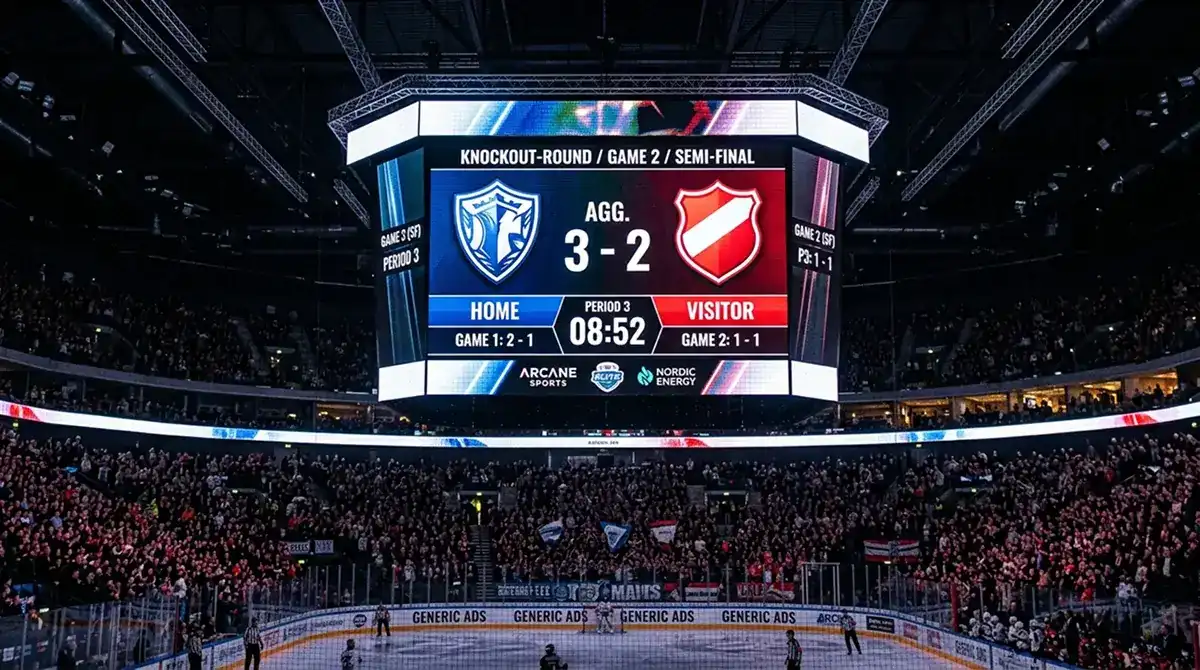
Once the CHL hits the knockout round, the betting changes character. Two-legged ties with aggregate scoring introduce sequencing dynamics that one-off games don’t have. The first-leg result reshapes the second-leg incentives — a team trailing 3-1 after the first leg plays the second leg differently from a team tied 2-2, even if the line treats them similarly.
Aggregate-result markets often offer better value than individual-leg moneylines once the first leg is in the books, particularly when the betting public has overreacted to a first-leg upset. A team that drops the first leg 2-1 at home is in trouble but not eliminated, and the price on them to advance can sometimes drift wider than their actual probability.
The other knockout-round dynamic: rest days between legs. Two-legged ties run on a fixed schedule, but the domestic fixtures around them vary by club and league. A team playing a high-pressure domestic match between the two legs of a CHL knockout is in different shape from a team with rest days either side. The line for the second leg doesn’t always reflect that.
Where the Big Edges Hide
Three places I’ve found edges in CHL betting that have held up across multiple seasons:
First, totals markets on cross-league matchups featuring stylistically mismatched teams. A high-scoring DEL side against a structured Liiga opponent produces unpredictable goal totals, and the line often defaults to a generic mid-range number that doesn’t reflect either team’s true expected output.
Second, regulation moneylines in group-stage games where one club is clearly prioritising the CHL and the other is using the fixture for rotation. Star-laden lineups against rested second-choice rosters produce predictable advantages that the moneyline understates.
Third, period-specific markets in second legs of knockout ties when the aggregate situation favours a specific game plan. A team needing two goals will play differently from a team protecting a lead, and first-period over markets occasionally offer value when the aggregate context favours an aggressive start.

How CHL Betting Connects to Your Broader European Hockey Approach
The CHL isn’t a standalone betting product — it’s the proving ground where the reads you’ve built across SHL, Liiga and DEL get tested against each other. If your Liiga model says Tappara is the best team in Finland and your SHL model says Färjestad isn’t quite top-three this season, the CHL gives you the matchup to find out who’s right. Treat it that way and the tournament becomes more than just additional betting markets.
The same discipline that applies to domestic European leagues applies here, with one extra layer: don’t bet CHL futures until the group stage is well underway. The final knockout field isn’t always predictable from pre-tournament odds, and the value in CHL futures appears in November and December when domestic form has shaped the picture but futures markets haven’t fully caught up. The same logic underlying NHL value betting — finding pricing gaps the market hasn’t closed yet — applies just as cleanly to European club competition.
Setting Realistic Expectations
The CHL is a niche market within a niche sport at UK bookmakers. Liquidity is modest, market depth is shallow outside top fixtures, and price moves can be sharp once any sizable bet hits a soft line. Stake sizing should be conservative — smaller than your typical NHL or SHL units — because you won’t get the chance to repeat the same edge multiple times in a week.
What the tournament rewards is patient, narrow focus on clubs you actually know and matchups you’ve genuinely studied. The bettors I respect on CHL markets are the ones who’ll skip eight fixtures in a matchweek to bet two with conviction. Most weeks, that’s the right approach.
Questions Bettors Ask About the Champions Hockey League
The tournament runs annually from August through February, with a group stage from August through early November and a knockout phase from November through the final in February. Group-stage matches go directly to a shootout. Knockout-round overtime and shootout only apply in the second leg if the aggregate is tied after regulation. Always check settlement rules before betting parlays involving CHL fixtures. The British champion participates each season and is consistently priced as a heavy underdog, which usually reflects the genuine talent gap. Occasional upsets occur in specific matchups but should not be extrapolated as a recurring betting pattern.When does the Champions Hockey League take place?
Do CHL games go to overtime if tied after regulation?
Is the EIHL champion competitive in the Champions Hockey League?
Created by the ”ice Hockey Betting” editorial team.