4 Nations Face-Off Betting Guide
 Available in US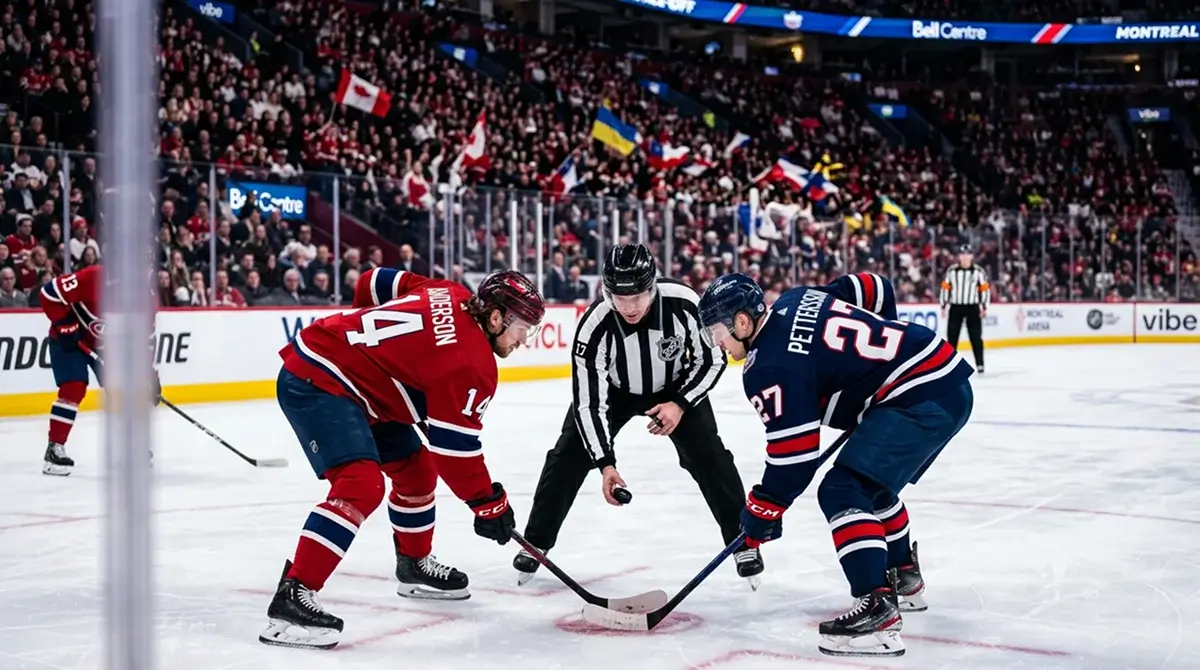
The 4 Nations Face-Off in February 2025 was the most enjoyable hockey betting week I’ve had in years. Best-on-best NHL talent, four nights of meaningful international tournament hockey, and a tournament structure short enough that the lines didn’t have time to stabilise the way they do over an 82-game NHL season. Canada won the tournament with a stoppage-time goal from Connor McDavid in the final against the United States, and the betting markets behaved exactly the way you’d expect when the public is excited and the books are pricing in a hurry.
This guide covers what 4 Nations betting looks like as a discrete tournament product. How the format shapes pricing, where the markets misread short-format international hockey, and how to approach it next time without burning a bankroll on flag-waving emotion.
Table of Contents
- What the 4 Nations Face-Off Is
- The Pricing Challenge: Short Tournament, High Talent
- Round-Robin Markets
- The Single-Elimination Final
- How International Tournament Hockey Differs from NHL
- Goaltender Markets in the Tournament
- Information and Betting Cadence
- What I’d Tell a New 4 Nations Bettor
- Common Questions on 4 Nations Face-Off Betting
What the 4 Nations Face-Off Is
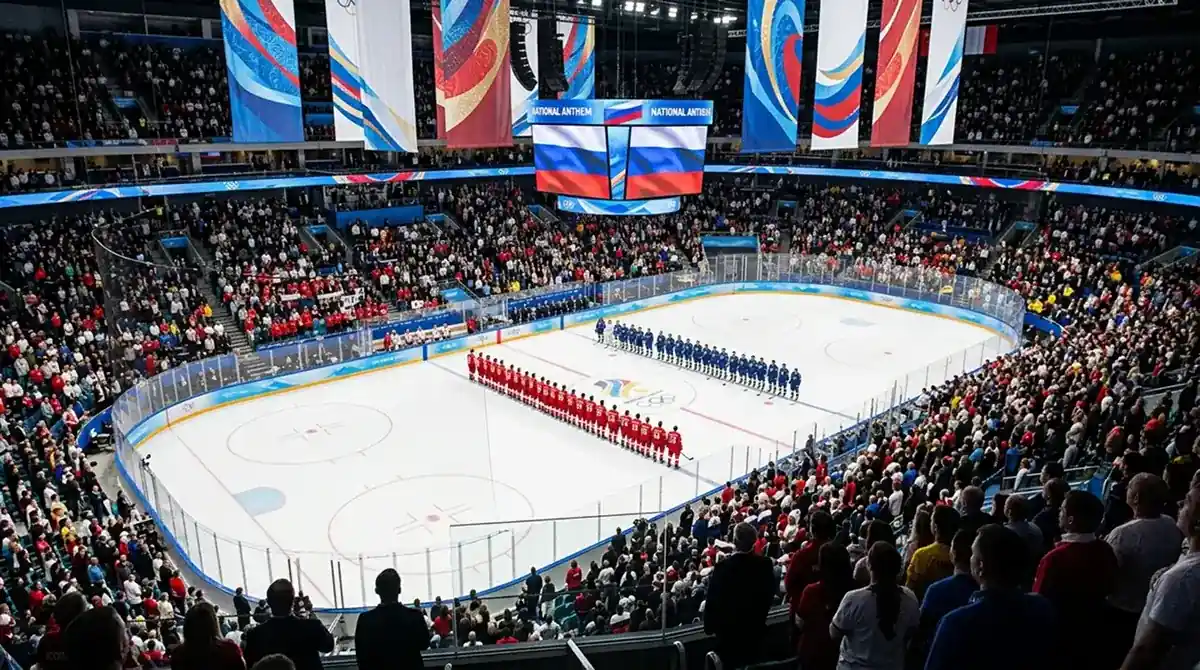
The 4 Nations Face-Off is the NHL and NHLPA’s mid-season international tournament featuring Canada, the United States, Sweden and Finland. It replaced the All-Star Game format in February 2025, with games played in Montreal and Boston across a single tournament week. The structure is a single round-robin among the four teams followed by a single-elimination final between the top two finishers.
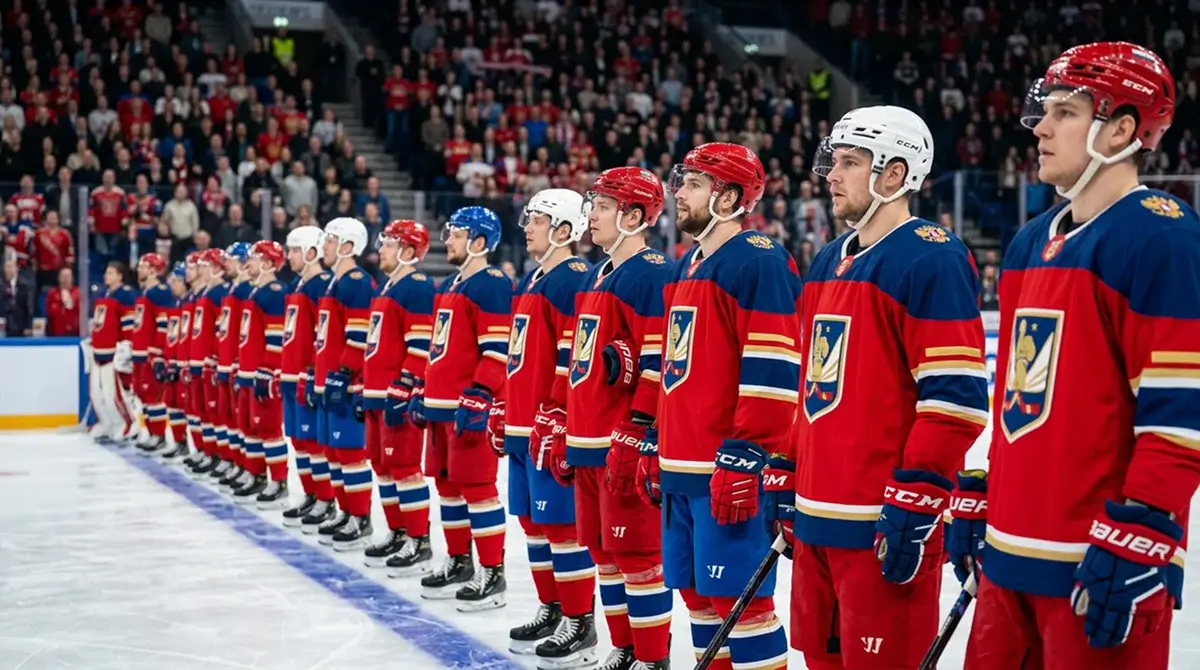
The talent on display is, by definition, the elite of NHL talent eligible for each nation. Unlike the IIHF World Championship — which runs in May after the NHL regular season and is missing playoff-bound NHL players — and unlike the World Cup of Hockey, which has been irregularly scheduled, the 4 Nations format guarantees a best-on-best matchup with full national rosters available. That makes it the most meaningful international club-level NHL hockey since the 2016 World Cup, and it changes how the games should be priced relative to a standard NHL slate.
The Pricing Challenge: Short Tournament, High Talent
Here’s the structural problem the bookmakers face: a four-team round-robin compresses the entire tournament into six games before the final. Sample size is tiny. The market has to price each fixture without much in-tournament data to anchor expectations beyond pre-tournament power rankings.
What this means in practice: opening lines for the 4 Nations Face-Off in 2025 reflected pre-tournament consensus that Canada and the United States were co-favourites, with Sweden and Finland clear underdogs. Those opening prices were broadly defensible but rapidly outdated once group-stage results came in. The line that shifted most was the United States moneyline after their group-stage win over Canada — the price on the rematch in the final moved meaningfully, and the bettors who took the value on Canada before the line corrected ended up paid.

This is a feature of short tournaments. Pricing has to update fast because each game represents a meaningful percentage of total tournament information. The opportunity for sharp bettors is in the lag between in-tournament results and the recalibration of futures markets, particularly tournament-winner odds.
Round-Robin Markets
The round-robin format produces three games per team, which is enough for unusual betting markets that don’t exist in normal NHL pricing. Group-stage moneylines were the most heavily traded markets in February 2025, but the more interesting bets sat in the goal-scorer and team-totals categories.
Connor McDavid scoring at any point in the tournament was an obvious market that priced narrow, but specific game-by-game scorer props offered better value. The same goes for team totals on the higher-end matchups — Canada vs USA and Canada vs Sweden both produced higher-scoring games than the lines suggested, partly because the round-robin format encouraged teams to play with offensive intent rather than the defensive caution that dominates Olympic medal-round games.
What I’d watch for in the next tournament: round-robin overtime markets. The 2025 format used standard overtime rules for tied games, which produced settlement complications for bettors who’d mixed regulation and overtime markets without checking. Confirm settlement on each individual bet before stacking parlays around it.

The Single-Elimination Final
The 4 Nations final is its own beast. One game, winner takes all, neutral venue rules, full overtime with the championship on the line. The pricing dynamic resembles a Stanley Cup Final Game 7 more than a typical regular-season NHL match — the moneyline is tight, the total leans toward unders relative to round-robin lines, and the prop markets thin out as the books reduce risk.
The 2025 final between Canada and the United States is the template. The line on the moneyline opened close to pick-em and stayed close through the entire pre-game window. The total was set lower than the round-robin numbers for the same two teams, reflecting the defensive tightening typical of medal-round hockey. The final result — a 3-2 Canada win in overtime — fell on the under in regulation but cleared the over once the overtime goal counted, which became a settlement question worth flagging.
For bettors planning to back tournament winners well in advance, the futures market on the 4 Nations Face-Off is where structural value sometimes lives. Pre-tournament prices on Canada and the United States in 2025 were tight, but the prices on Sweden and Finland were wider than their actual probability of winning a knockout against either North American side. Underdog futures in short tournaments can offer expected-value bets that don’t fit the standard “obvious overpriced longshot” pattern.

How International Tournament Hockey Differs from NHL
The stylistic shift between NHL regular-season play and international tournament hockey catches out bettors who don’t watch enough of it. Tournament hockey emphasises structured defensive play, conservative line management, and patient possession in the neutral zone. The pace is fast but the chase isn’t — teams won’t trade odd-man rushes the way they will in regulation NHL games against weaker opponents.
What this does to totals: the goal expectation for a best-on-best tournament game runs lower than equivalent NHL pricing suggests. Two teams with combined NHL pace ratings that imply a 6.5 might post a 5 or 5.5 in tournament play because both teams are playing structured systems with elite execution. The market has been getting better at pricing this in, but the inefficiency hasn’t fully disappeared.
What it does to player props: ice time concentrates further on top lines and top defensive pairs. Star forwards get 22 minutes a night, third-line forwards get 8. Prop bets on lower-line scorers price as if NHL distributions apply, but tournament hockey doesn’t distribute ice time that way. The implication is to bet props on top-line stars more readily and avoid bottom-of-the-roster scorer markets, which is the reverse of typical NHL value analysis.
Goaltender Markets in the Tournament
Goaltender selection in international tournament hockey is one of the most-watched coaching decisions. Each nation typically rotates two or three goalies through the tournament, with the medal-round starter determined by group-stage performance and individual matchup considerations.
The 3% to 5% implied probability shift on starter changes that sportsbooks like Caesars apply to NHL games translates roughly to international tournaments, but with one twist. Tournament goaltenders are typically NHL starters at elite level, which compresses the quality gap between the projected starter and the rotation alternative. A change from one NHL starting goalie to another isn’t always the same impact as an NHL starter being replaced by a backup. Don’t assume the line should move the same amount as a domestic goalie change.
The same applies to NHL goaltender analysis for betting — the underlying principles transfer, but the calibration changes when both starting options are elite.

Information and Betting Cadence
Tournament information moves fast. Pre-tournament rosters are confirmed weeks in advance. Daily lineup decisions, goaltender selections and injury updates emerge in 48-hour cycles around each fixture. UK bookmakers price the tournament with reasonable diligence on opening lines but adjust slower than US books once games begin, partly because UK hockey betting volume is smaller and partly because in-tournament news cycles run on North American time zones.
For UK bettors, the practical implication is that early-morning UK information — North American evening news — often lands in time to bet European-business-hours pricing before the line adjusts. That’s a structural window that doesn’t exist for most NHL betting because the lines update overnight.
What I’d Tell a New 4 Nations Bettor
Pick two markets and stay focused. Group-stage moneylines and the futures market on tournament winner cover most of the value that’s actually available to a UK punter. Don’t chase same-game parlays across multiple round-robin fixtures, don’t try to read variance off three-game samples, and don’t extrapolate group-stage results to medal-round odds without thinking carefully about how the format changes between phases.

The tournament will run again, and the lessons from 2025 — particularly the line drift around Canada vs USA — should inform how you bet the next iteration. Hockey betting markets at major tournaments aren’t fully efficient, but they’re not naive either. Find the spots where short-format pricing lags actual information flow, and the 4 Nations becomes a profitable week rather than a flag-waving entertainment expense.
Common Questions on 4 Nations Face-Off Betting
The 4 Nations Face-Off is held during the NHL season’s traditional all-star break. The 2025 edition ran across mid-February. Future editions are expected to follow a similar mid-season schedule, with confirmed dates announced ahead of each tournament cycle. Canada, the United States, Sweden and Finland. Each nation fields a roster of NHL players eligible for their respective country, with the tournament format guaranteeing best-on-best matchups not typically available during the regular NHL season. Sample sizes are tiny, the format is short, and tournament hockey plays more structured defence than typical NHL games. Totals lines often run lower than equivalent NHL pricing, and futures markets adjust faster between fixtures than seasonal NHL futures do.When does the 4 Nations Face-Off take place?
Which teams compete in the 4 Nations Face-Off?
How does 4 Nations betting differ from regular NHL betting?
Written by the editors at ice Hockey Betting.